Inside Northern Colorado's First Licensed Psilocybin Laboratory
Colorado is building the country's first regulated psilocybin supply chain. A new Northern Colorado lab is now testing every gram before it reaches a healing center — and the operations side is finally visible.
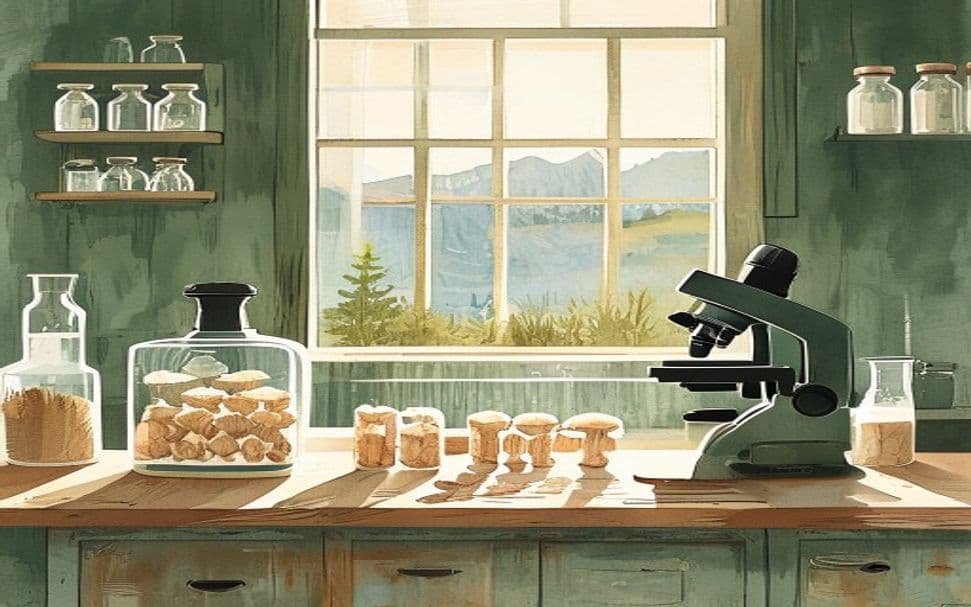
Northern Colorado now has a licensed psilocybin laboratory. The shorthand version of why that matters: until 2024, every mushroom consumed in the United States moved through unregulated channels — including the gray-market microdose economy. Colorado is the first state in the country with a regulated supply chain end-to-end, and the lab is the piece that makes the whole thing legible.
The Natural Medicine Health Act, passed by Colorado voters in 2022 as Proposition 122, was always going to be more interesting in its plumbing than in its politics. The plumbing is finally visible.
The job: testing every gram before it reaches a session
Colorado's psilocybin program runs on the same logical structure cannabis uses: licensed cultivators grow under state inspection, licensed labs test the product before release, and licensed "healing centers" administer it in supervised settings. The lab is the inflection point. Nothing moves from a cultivator's drying room to a healing center's session room without a lab certificate.
What the lab actually measures:
- Psilocybin and psilocin content by dry weight, reported as a percentage. This is the dose-defining number — a healing center cannot dose a client without it.
- Heavy metals. Mushrooms are bioaccumulators and absorb whatever is in their substrate. Cadmium, lead, mercury, and arsenic limits are enforced.
- Microbial contamination. Yeasts, molds, and bacterial loads — including pathogens like E. coli and Salmonella — must be below state thresholds.
- Pesticide and solvent residues. Less common for mushrooms than for cannabis but tested anyway.
The result is a Certificate of Analysis that travels with the batch. If the batch fails, it does not get released. If it passes marginally, the healing center sees the marginal number and dose accordingly.
Why Colorado moved before Oregon's lab market did
Oregon legalized psilocybin therapy in 2020 via Measure 109, two years before Colorado. But Oregon's program was designed around service centers and one-day sessions rather than a wider cultivation-and-testing economy. Colorado's design is broader. It includes:
- Cultivation licensure for commercial producers.
- Laboratory licensure for testing.
- Healing-center licensure for administration.
- Personal-use carveouts for non-commercial growing and sharing — narrower than the rest of the framework, but they exist.
A regulated lab market needs cultivators to feed it. Colorado built both pipes at the same time. The Northern Colorado lab is the first one through; others are in licensure now.
The species and cultivar question
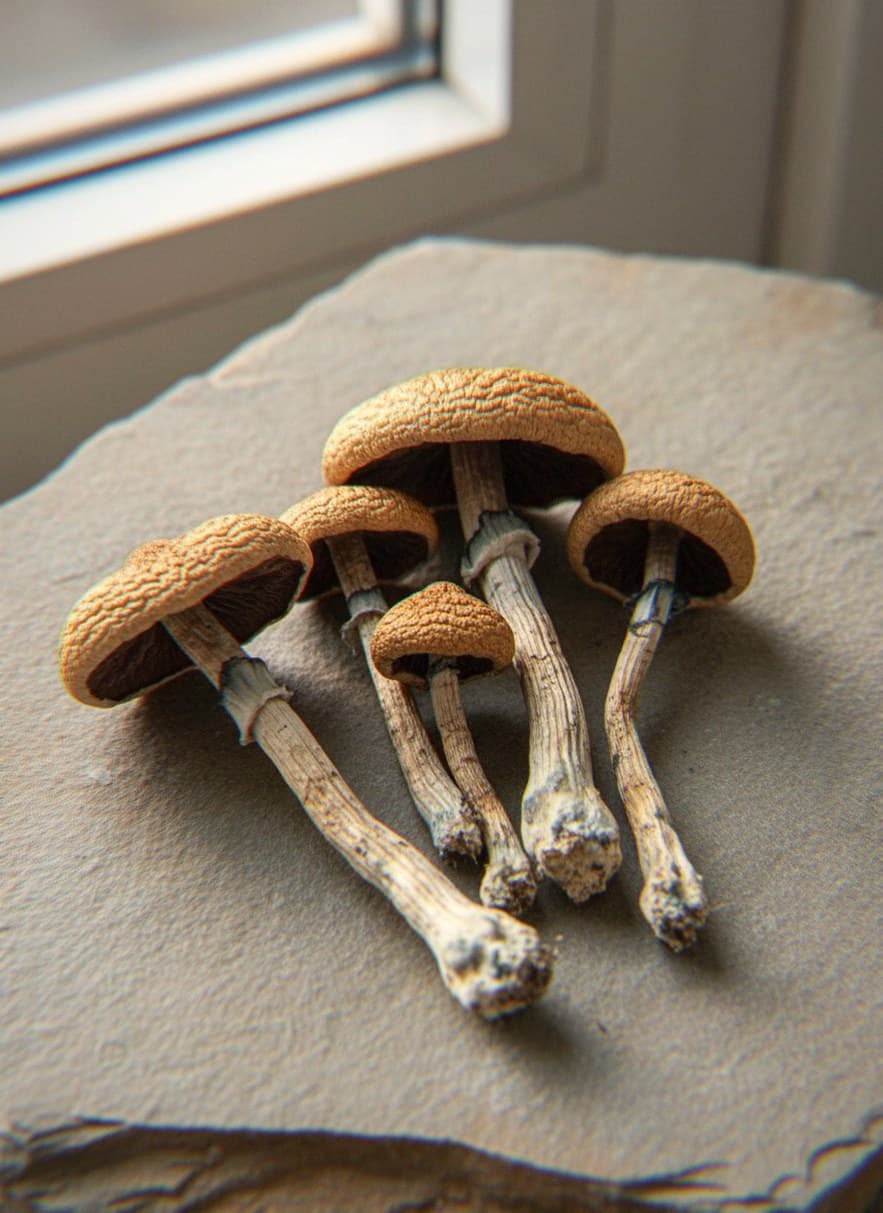
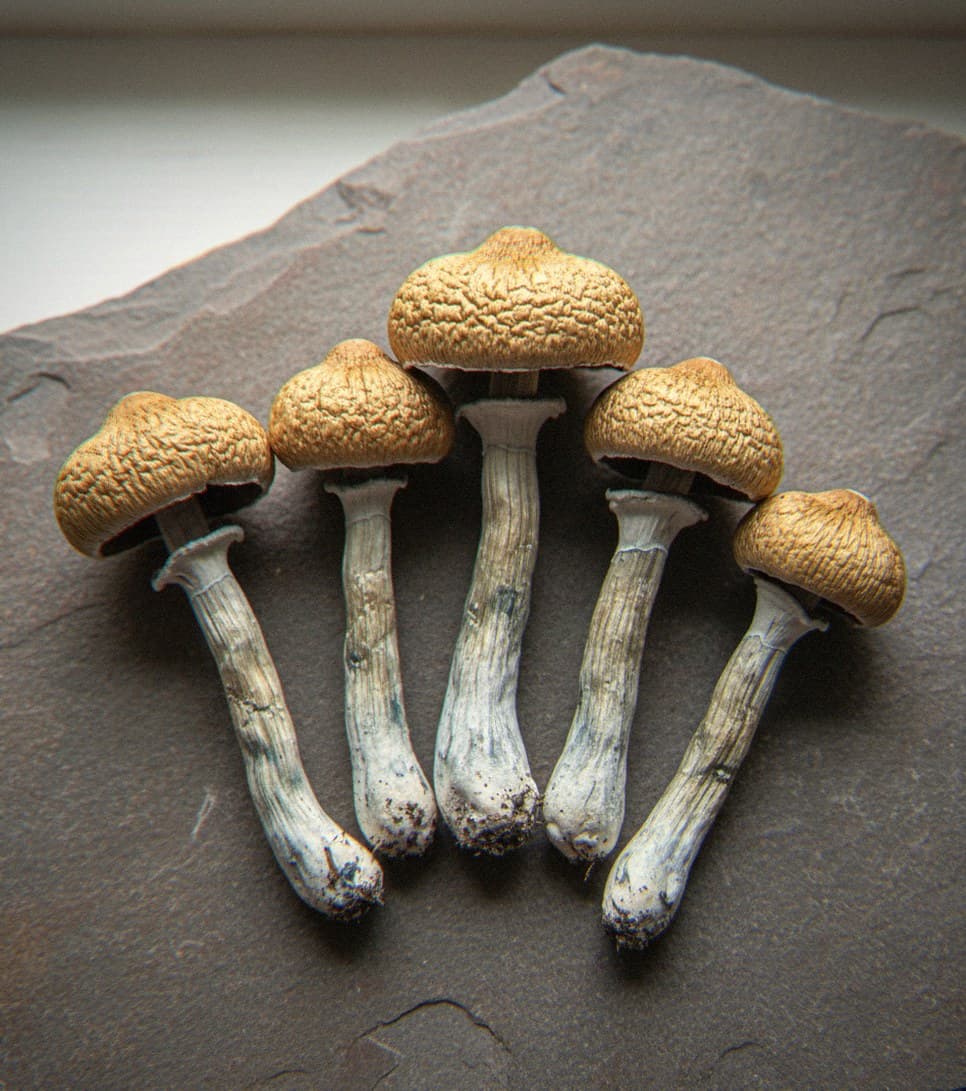
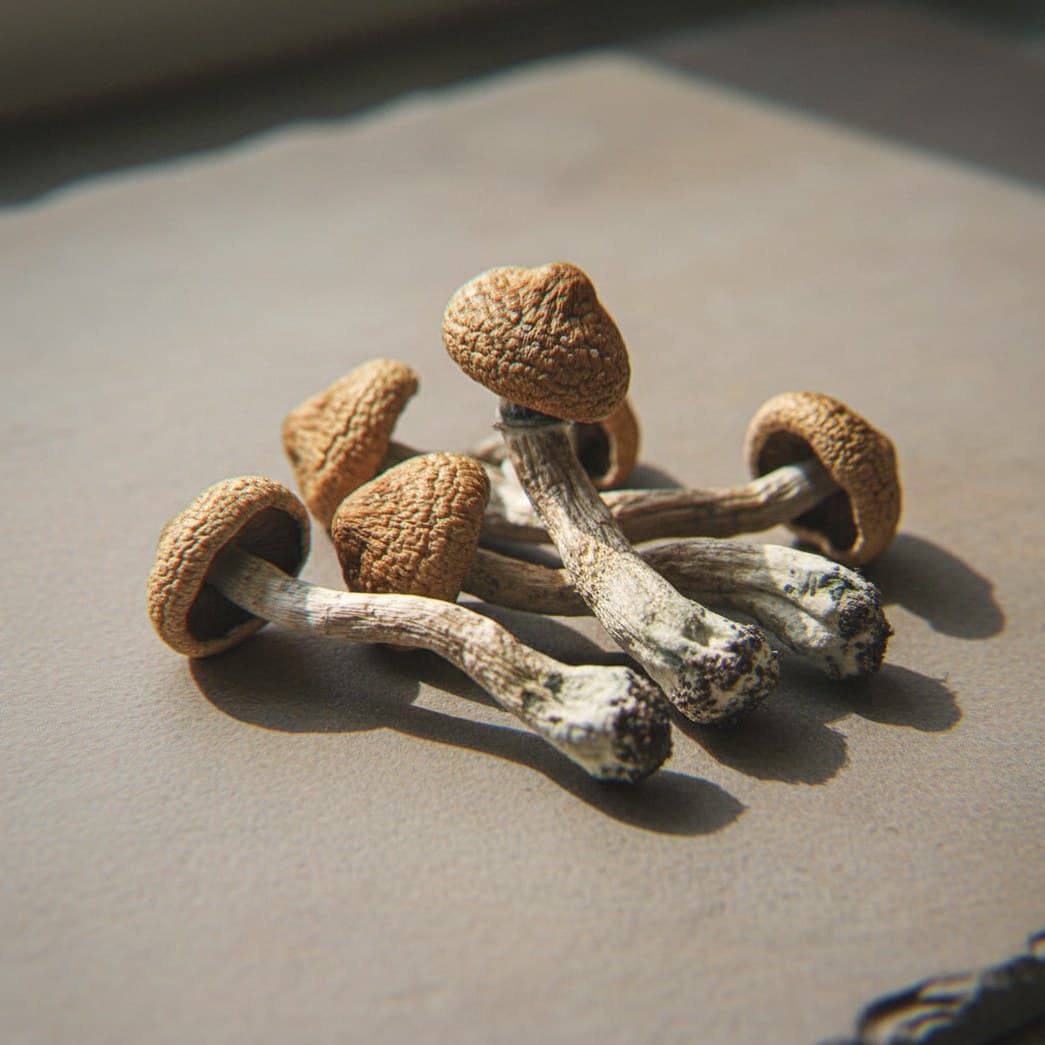
What grows in a licensed Colorado cultivation room is almost entirely Psilocybe cubensis. The species is easier to cultivate than wild-collected P. cyanescens or P. azurescens, it is more consistent batch-to-batch, and the cultivars themselves have decades of selection behind them.
The varieties most often cited in early Colorado cultivation literature are the workhorses: B+ and Golden Teacher for predictability, Amazonian when a slightly higher-potency option is needed, and a handful of breeders working with Penis Envy for clinical-style use cases where smaller fruiting bodies are administered at known-potency. None of this is unique to Colorado; what's unique is that the cultivar identity is now tracked through the licensure chain to the gram.
What testing actually catches
The thing the lab catches most reliably is the thing the gray market never could: variance. The same cultivar grown by two different producers can vary in psilocybin content by a factor of two. The same batch dried for different durations can vary by another 30%. Without lab testing, a healing center dosing a client at 25 milligrams of psilocybin is guessing within a 10-to-40-milligram range. With lab testing, it is dosing at 25 milligrams.
The story isn't that Colorado made mushrooms legal. The story is that Colorado made mushrooms legible. Once a substance has a Certificate of Analysis, it stops being a folk product.
The harm-reduction implication is direct. Most adverse psilocybin events in clinical literature trace back to dose, not chemistry — and dose error is the single failure mode regulated labs eliminate.
Regulation moves a substance from folk product to known product. A Certificate of Analysis is a small thing on paper and an enormous thing in practice: it is the document that lets a clinician dose with confidence, a payer reimburse with confidence, and a researcher build comparable datasets. Colorado built the boring infrastructure first.
How this connects to the wider U.S. picture
Colorado now sits between Oregon's earlier services-only model and the narrower clinical-research framing Minnesota just sent through its House. The three states are running three different policy experiments, and the lab infrastructure is the piece each one will eventually need.
Three things to watch in Colorado specifically:
- Wholesale price stabilization. Licensed cultivation is expensive on the front end. Lab-tested gram prices in the regulated channel are well above gray-market prices today. Whether they normalize will determine whether the program scales beyond clinical-leaning use cases.
- Cross-licensure between cultivators and healing centers. Vertical integration is allowed under the Natural Medicine Health Act and may become the dominant business form, the way it did in early cannabis states.
- Federal interactions. Psilocybin remains a Schedule I substance under federal law. The lab operates entirely under Colorado licensure, which means banking, insurance, and interstate movement remain awkward. This is the slow tax on a state-level program.
What this means for the rest of the country
Most state programs that follow Colorado will not build the same wide framework on day one. The Minnesota and Connecticut paths look more like research-and-clinical-administration. But the testing infrastructure Colorado is standing up is the template every other state will eventually need to copy — because the alternative is asking healing centers to dose clients from unlabeled product.
The Northern Colorado lab is, in that sense, the most important boring story in American psychedelics right now. Boring infrastructure is what keeps a program alive past its second year. Colorado built it before the program needed it. That decision will pay off.